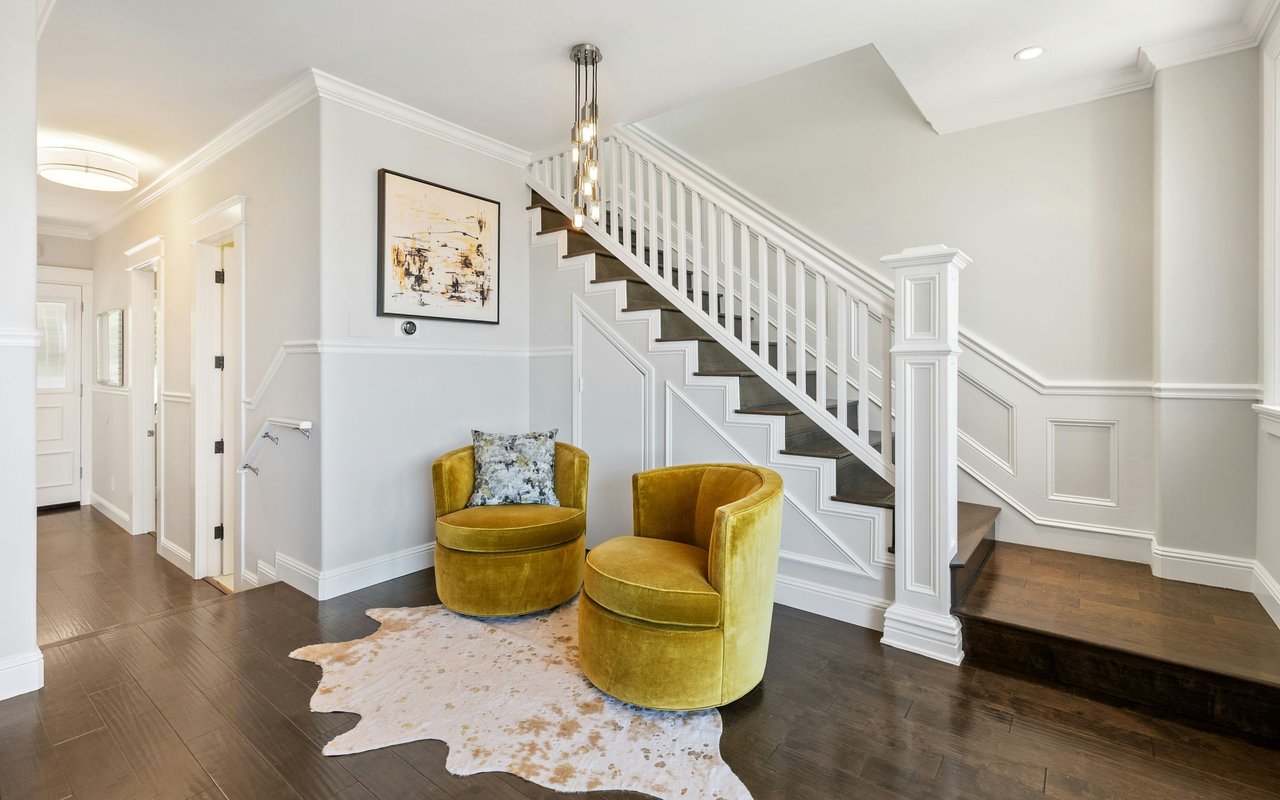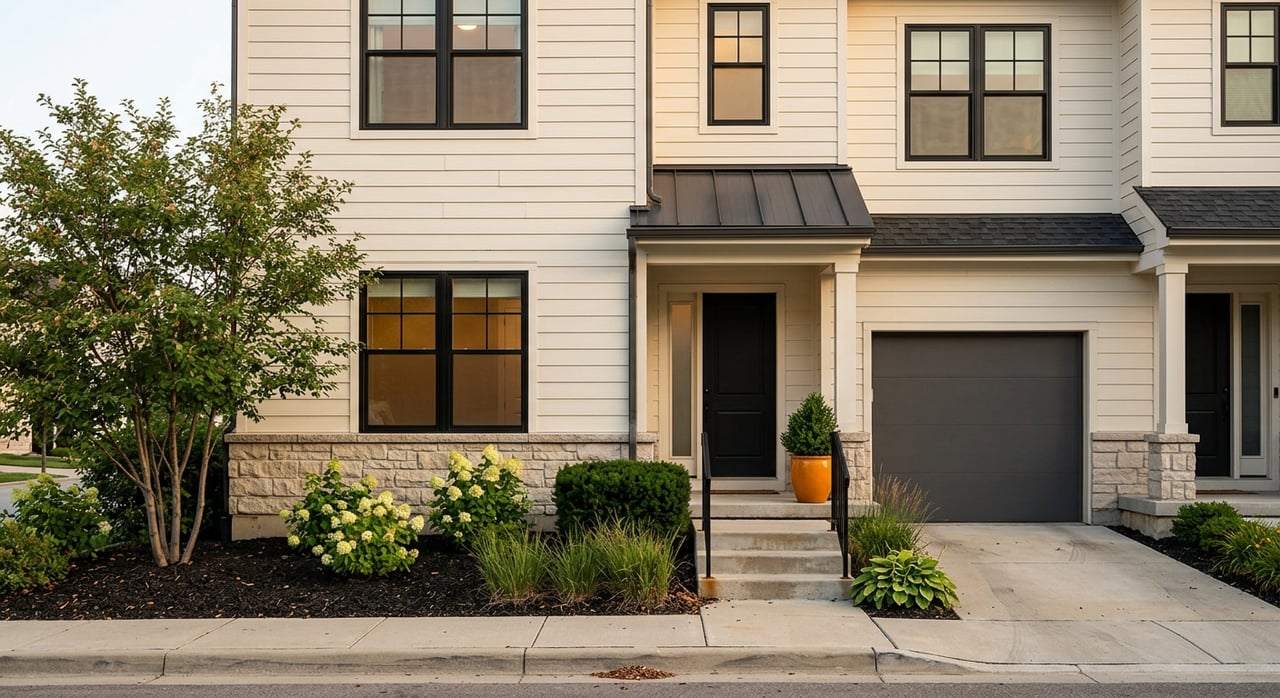
Wondering which type of home makes the most sense for your life in Eden Prairie? That question matters here because this is a city with a strong owner-occupied market, a mix of housing styles, and lifestyle choices that can shape how you spend your time every day. If you are trying to decide between a condo, townhome, or single-family home, this guide will help you compare your options and focus on fit, not just square footage. Let’s dive in.
Eden Prairie Housing at a Glance
Eden Prairie is a mostly owner-occupied suburban market with 63,075 residents and 25,665 households. According to Census QuickFacts, the city has a 76.1% owner-occupied housing rate, a median owner-occupied home value of $473,900, and a median gross rent of $1,833.
The city’s housing plan shows a market led by single-family homes, with 55% of housing units classified as detached single-family, 20% as single-family attached, and 24% as multifamily. That mix gives you several ways to match your home to your stage of life, budget, and maintenance preferences.
Eden Prairie’s planning work also points to an important trend: housing choices often shift over time. In city survey work, many millennial respondents said they lived in owner-occupied single-family homes and expected to continue doing so, while many empty-nester respondents said they preferred multifamily options like condominiums, senior living, or townhomes.
Why Lifestyle Matters in Eden Prairie
A home is more than a floor plan. It affects how much time you spend on upkeep, how much privacy you have, and how flexible your monthly costs may feel.
That is especially true in Eden Prairie, where the city’s park and trail network adds another layer to the decision. The city reports more than 1,000 acres of developed park land, 225 miles of sidewalks and trails, 37 parks, and 15 conservation areas. If you want to spend more time enjoying the area and less time handling exterior chores, your housing type can make a real difference.
Condos in Eden Prairie
Who a Condo May Fit Best
A condo can be a smart choice if you want a lower-maintenance path into homeownership and are comfortable with shared walls, common areas, and association rules. In practical terms, condos often appeal to buyers who want to simplify exterior upkeep and focus more on convenience.
The Minnesota Attorney General notes that condos usually cost less than detached homes and often include shared common spaces or amenities. That can make them worth a close look if you want ownership without taking on the full workload of a detached property.
What Condo Living Usually Includes
In Minnesota, condos are commonly part of a common interest community, or CIC. That means an association typically handles common elements, adopts budgets, and may manage tasks such as snow removal and yard care.
This setup can feel more worry-free day to day, but it also comes with tradeoffs. You will likely pay association dues, follow community rules, and share responsibility for the financial health of the association.
What to Review Before Buying a Condo
If you are considering a condo in Eden Prairie, review the association documents carefully. The Minnesota Attorney General says buyers should examine:
- The declaration
- Bylaws and rules
- Financial statements
- Current budget
- Reserve funding
- Any pending judgments or lawsuits
Minnesota law also requires sellers of CIC units to provide these materials, and buyers generally have a 10-day cancellation window after receiving the disclosures. This part of the process matters because the association’s finances and rules can affect your costs and your day-to-day experience.
Townhomes in Eden Prairie
Why Townhomes Appeal to Many Buyers
Townhomes often sit in the middle ground between condos and detached homes. If you want more space than many condos offer but do not want the full exterior workload of a single-family property, a townhome may be the right balance.
The Minnesota Attorney General’s homebuyer guidance notes that townhomes usually cost less than detached homes and may come with shared amenities or managed exteriors. For many buyers, that creates a practical mix of space, convenience, and structure.
Ownership Can Vary by Community
One detail many buyers miss is that townhome ownership is not always identical from one community to another. The Attorney General notes that townhome buyers may own the ground beneath the unit, unlike condo buyers, but the exact ownership structure depends on the governing documents.
That is why it helps to look beyond the layout and ask how the community is set up. Ownership details, maintenance responsibility, and association rules can vary more than you might expect.
Where Attached Housing Appears in Eden Prairie
In Eden Prairie, attached and multifamily housing is especially visible in planned mixed-use and corridor areas. The city’s Major Center Area study identifies the Prairie Center Drive and Valley View ring-road area, along with the Singletree Lane and Highway 212 area, as part of the future compact, walkable Town Center.
The city’s multifamily housing resource list also shows communities along Garden Lane, Singletree Lane, Flying Cloud Drive, Valley View Road, Anderson Lakes Parkway, Prairie Center Drive, and Mitchell Road. Townhome-style examples listed by the city include Columbine Townhomes on Columbine Road and Purgatory Creek Townhomes on Mitchell Road.
What to Check Before Buying a Townhome
Before you buy, it is wise to look closely at the association side of the property. Key items to review include:
- Monthly dues
- Reserve strength
- Insurance coverage
- Parking rules
- Pet rules
- Rental restrictions
- Any possible major repairs or special assessments
These details can shape both your monthly budget and your flexibility as an owner.
Single-Family Homes in Eden Prairie
Why Single-Family Homes Remain Popular
Single-family homes remain the most common housing type in Eden Prairie. The city’s housing plan says the most common housing type is newer, single-family, owner-occupied housing, and detached single-family homes make up 55% of the city’s housing stock.
That dominance reflects a strong match between this housing type and suburban living. If you want more room to spread out and more direct control over your property, this is often the clearest fit.
Who a Single-Family Home May Suit
The Minnesota Attorney General’s homebuyer handbook describes detached homes as a good fit for buyers who want privacy, a larger kitchen and living footprint, and more individualized control over the property. It also suggests thinking carefully about features like a fenced yard, porch or deck, insulated garage, and outdoor room for daily life.
In simple terms, a detached home may suit you best if you value yard space, more separation from neighbors, and the ability to make decisions without an association overseeing many day-to-day issues.
The Tradeoff: More Control, More Upkeep
The biggest advantage of a single-family home is control. The biggest challenge is that more of the maintenance falls on you.
If you enjoy handling home projects or want the freedom that comes with fewer shared rules, that tradeoff may feel worth it. If you would rather spend less time on exterior work, another housing type may fit better.
How to Match the Home to Your Lifestyle
The right choice often comes down to how you want to live, not just what you can buy. A useful way to think about Eden Prairie housing options is to start with your daily routine.
Choose a condo if you want the lowest-maintenance ownership option and are comfortable with association living. Choose a townhome if you want a middle path with more space and less exterior work than a detached home. Choose a single-family home if privacy, yard space, and property control matter most to you.
You can also ask yourself a few simple questions:
- How much exterior maintenance do you want to handle?
- Do you want association-managed living or more independence?
- How important are yard space and privacy?
- Would you rather spend weekends on home projects or out enjoying local parks and trails?
- Do you want a smaller footprint now, or room to grow into later?
A Local Perspective on Long-Term Fit
In Eden Prairie, there is no one-size-fits-all answer. The city’s own planning documents support the idea that housing needs change with life stage, and the local housing mix reflects that reality.
For some buyers, a condo or townhome offers the freedom to lock the door and spend more time enjoying the city’s trail and park system. For others, a detached home offers the space and control that make suburban living feel complete. The key is choosing a home that fits the season of life you are in now while still supporting where you want to be next.
If you are weighing your options in Eden Prairie, having a clear strategy can make the search feel much easier. A steady, informed look at housing type, upkeep, location, and monthly costs can help you move forward with confidence. When you are ready for thoughtful guidance on Eden Prairie condos, townhomes, or single-family homes, connect with Anne Rybarczyk Gray.
FAQs
What housing types are most common in Eden Prairie?
- Eden Prairie’s housing plan shows that 55% of housing units are detached single-family, 20% are single-family attached, and 24% are multifamily.
What should condo buyers review in Eden Prairie, Minnesota?
- Condo buyers should review the declaration, bylaws, rules, financial statements, current budget, reserve funding, and any pending judgments or lawsuits, according to the Minnesota Attorney General.
How are townhomes different from condos in Minnesota?
- Townhomes may offer more space than many condos, and buyers may own the ground beneath the unit, but the exact ownership structure depends on the governing documents.
Why do many buyers choose single-family homes in Eden Prairie?
- Single-family homes often appeal to buyers who want more privacy, yard space, and control over the property, and they are the most common housing type in the city.
How do parks and trails affect housing choices in Eden Prairie?
- Eden Prairie has more than 1,000 acres of developed park land and 225 miles of sidewalks and trails, which can make lower-maintenance housing especially appealing for buyers who want more time for recreation.