If you own a mid-century home in Golden Valley, you are not selling just square footage. You are selling design, light, character, and a piece of the city’s architectural story. That can feel exciting and a little intimidating at the same time, especially if you are trying to decide what to update, what to preserve, and how to position your home for today’s buyers. This guide will help you focus on the steps that matter most so you can prepare, price, and market your home with confidence. Let’s dive in.
Why Golden Valley Mid-Century Homes Stand Out
Golden Valley is a natural place for a mid-century selling story. The city says residential development picked up after World War II, and local materials highlight the area’s strong collection of mid-century homes. City leaders have also described Golden Valley as having the largest stock of mid-century modern homes in Minnesota.
That matters when you sell because buyers often recognize that these homes offer something different. In Golden Valley, the appeal is not only the house itself but also the setting, with leafy residential areas, mature trees, and proximity to urban nature, including the border with Theodore Wirth Park.
In other words, your home may compete on more than bedroom count and square footage. Buyers may also be looking closely at original details, natural light, indoor-outdoor flow, and how well the home’s design has been maintained over time.
What the Golden Valley Market Looks Like
Current market conditions still favor well-positioned sellers. Redfin reports a median sale price of $480,313 in Golden Valley over the three months ending May 2026, along with a median of 14 days on market and a 100.4% sale-to-list ratio.
Realtor.com also described Golden Valley as a seller’s market in June 2026 and reported 114 active listings with a median listing price near $482,000. The numbers vary a bit by source, but the overall message is consistent: buyers are active, and well-prepared homes can move quickly.
That does not mean every mid-century home will sell itself. In a market like this, buyers are often comparing homes with personality against homes that also feel move-in ready, so your preparation and presentation still matter.
Focus on Repairs Buyers Notice First
Before you spend money on cosmetic changes, focus on the issues buyers and inspectors tend to notice right away. For older homes, that usually means plumbing, heating and cooling, electrical systems, structural concerns, safety items, and environmental issues.
Minnesota’s buyer guidance specifically warns consumers to pay attention to wet basements, shaky foundations, rotting roofs, radon, lead paint, and asbestos. That is why targeted pre-listing work is usually more valuable than over-renovating for style alone.
If your home has a comfort issue you have learned to live with, such as drafty rooms, moisture problems, or uneven temperatures, buyers may see it as a bigger concern. Fixing obvious issues before listing can help your home show better and reduce surprises later.
Consider a Home Performance Assessment
A home performance assessment can help you decide where to put your time and money. ENERGY STAR says this type of review looks at the home’s envelope, mechanical systems, air leaks, moisture, ventilation, and utility bills, then gives prioritized recommendations based on health, safety, comfort, and cost benefit.
For a mid-century home, this can be especially useful because it gives you a clearer picture of what truly affects day-to-day living. Instead of guessing, you can make decisions based on which improvements are most likely to improve comfort and address concerns buyers may raise.
Preserve Character Where You Can
One of the biggest mistakes sellers can make with a mid-century home is stripping out the very features that make it memorable. If original materials and details are still in good condition, preserving them can strengthen your home’s appeal.
National Park Service preservation standards say distinctive materials, features, finishes, and craftsmanship should generally be preserved. If replacement is necessary, the goal should be compatibility in design, color, texture, and overall look.
That creates a helpful rule of thumb for sellers: fix what affects comfort, safety, and inspection results, but do not automatically replace original features that still add character. Buyers interested in this style often appreciate homes that feel well preserved rather than generic.
Should You Replace Original Windows?
Not always. The Department of Energy notes that single glazing is common in older buildings, and low-e coatings can reduce energy loss by as much as 30% to 50%. At the same time, preservation guidance supports repair or limited compatible replacement when original materials still contribute to the home’s character.
That means window decisions should be made case by case. If the windows are failing, unsafe, or creating major comfort issues, replacement may make sense. If they are intact and part of the home’s design story, repair may be the better option.
Stage to Highlight the Architecture
Staging matters, even for homes that already look appealing. In NAR’s 2025 survey, 83% of buyers’ agents said staging makes it easier for buyers to visualize a property as their future home. The same survey found that 49% said staging reduced time on market, and 29% said it increased the dollar value offered by 1% to 10%.
For a Golden Valley mid-century home, staging should not hide the architecture. It should make the architecture easier to see and appreciate.
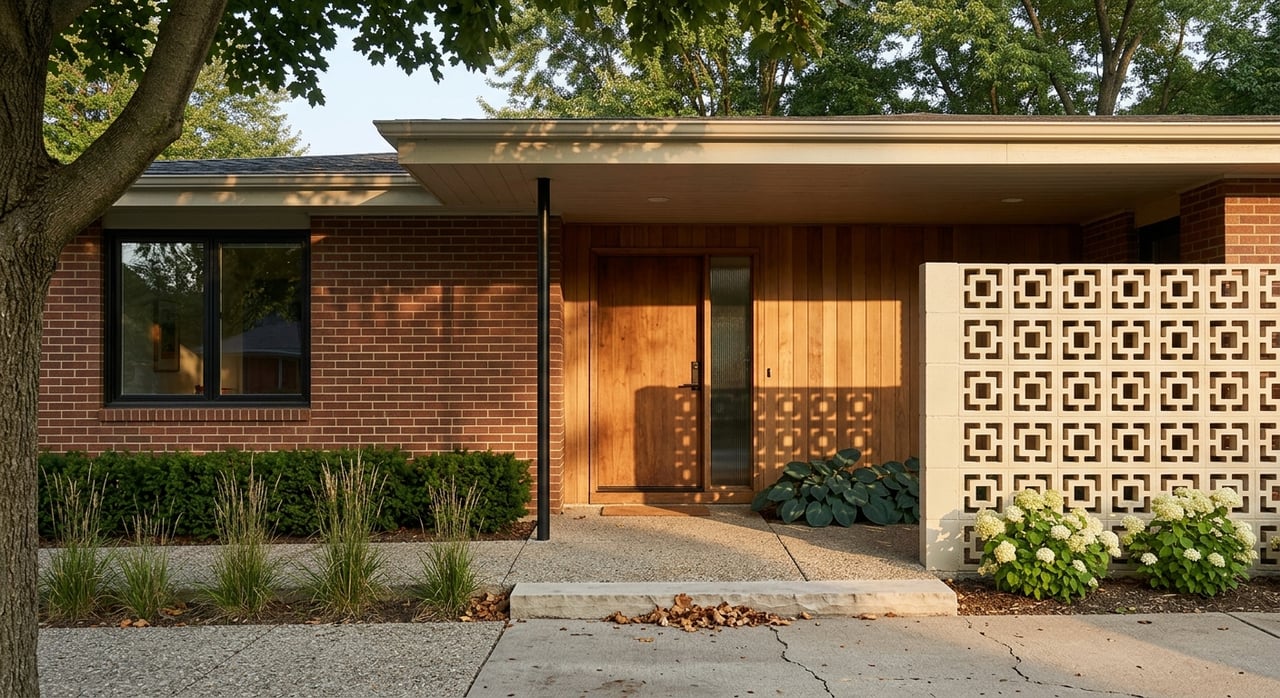
USModernist describes modernist design with features like open plans, large windows, low-pitch roofs, exposed beams, and abundant natural light. Your staging should support those qualities by keeping rooms open, sightlines clear, and natural light as visible as possible.
Best Staging Priorities for Sellers
NAR’s survey found that sellers’ agents most often recommend decluttering, cleaning, and improving curb appeal. For this type of home, the most effective staging steps often include:
- Decluttering rooms so the layout feels open and easy to read
- Deep cleaning to make surfaces, windows, and finishes feel well cared for
- Using lighter window treatments to let in more natural light
- Removing oversized furniture that blocks flow or hides architectural lines
- Refreshing curb appeal so the exterior feels clean and inviting
- Giving extra attention to the living room, primary bedroom, and kitchen
The goal is simple: help buyers notice the home itself, not distractions around it.
Market the Home’s Design Story Clearly
A mid-century home needs more than standard listing language. The marketing should help buyers quickly understand what makes the property special.
In Golden Valley, that often means highlighting features such as daylight, open flow, mature trees, outdoor connection, and any original materials that remain intact. The city’s own materials emphasize leafy residential surroundings and access to urban nature, so the home’s relationship to its setting can be part of the story too.
If the home has been updated selectively, be clear about that. If it remains largely original, position it as well preserved rather than dated. That small shift in language can make a big difference in how buyers frame the home in their minds.
Photos and Tours Matter More Than Ever
Buyer expectations are high online. NAR research shows that photos, physical staging, videos, and virtual tours all matter to buyers, which makes strong visual presentation especially important for architecture-driven homes.
That means your listing should show the home in its best natural light and from angles that explain the floor plan and flow. If virtual staging is used, any material photo changes should be disclosed so the marketing stays accurate and trustworthy.
Price with Style and Condition in Mind
Pricing a mid-century home in Golden Valley is not just about using the nearest home with similar square footage. It should reflect how buyers value style, condition, preservation, and updates in this specific market.
Redfin reports that nearly half of Golden Valley homes sold above list price, and Realtor.com continues to describe the city as a seller’s market. That supports strong pricing when the home is presented well, but it does not remove the need for discipline.
A smart pricing strategy should consider:
- Recent Golden Valley comparable sales
- The home’s level of updating
- The condition of major systems
- The presence of original features buyers may value
- The likely cost of repairs or improvements a buyer may expect
For this kind of property, the right comparable is often another similarly styled and similarly updated home, not just another suburban home with the same bed and bath count.
Understand Minnesota Disclosure Requirements
Sellers in Minnesota need to make written disclosures before a purchase agreement is signed about material facts that could adversely and significantly affect an ordinary buyer’s use and enjoyment of the property. If that disclosure later becomes inaccurate, the seller must notify the buyer.
For older homes, that makes honesty and preparation especially important. If you know of issues involving moisture, structure, systems, or environmental conditions, those concerns need to be handled carefully and disclosed as required.
Key Disclosures for Older Homes
For a mid-century home in Golden Valley, several disclosure topics are especially important:
- Material facts that significantly affect use and enjoyment of the property
- Known radon concentrations before the purchase agreement is signed
- Lead-based paint disclosures for homes built before 1978, including known hazards and related reports in the seller’s possession
Having your information organized early can help reduce stress once your home goes on the market. It also supports smoother negotiations because buyers feel more confident when the property story is clear.
Sell the Home You Have, Not a Generic Version
The best results often come when you respect what makes your home different. A Golden Valley mid-century home does not need to look like every updated suburban listing to attract strong interest.
Instead, your job is to present it as clean, cared for, and honest. Address the issues that matter, preserve the features that give it identity, and market it in a way that helps buyers understand both the design and the lifestyle it offers.
If you want steady guidance on how to prepare, price, and present your Golden Valley mid-century home, Anne Rybarczyk Gray offers experienced, practical support to help you move forward with confidence.
FAQs
What makes selling a mid-century home in Golden Valley different?
- Golden Valley has a strong concentration of mid-century homes, so buyers may pay close attention to architectural character, preserved details, natural light, and how the home compares with other design-driven listings.
What repairs matter most before listing an older Golden Valley home?
- The most important pre-listing repairs usually involve plumbing, heating and cooling, electrical, structural issues, safety concerns, moisture problems, roofing, radon, lead paint, or asbestos.
Should you replace original windows before selling a mid-century home?
- Not automatically. If original windows still contribute to the home’s character and are in workable condition, repair may be a better choice, while failing windows may justify compatible replacement.
How should you stage a mid-century home in Golden Valley?
- Focus on decluttering, cleaning, curb appeal, open sightlines, natural light, and furniture placement that highlights the home’s layout instead of covering up its architectural features.
What disclosures are required when selling an older home in Minnesota?
- Minnesota sellers must disclose known material facts that significantly affect a buyer’s use and enjoyment of the property, and older homes may also require radon and lead-based paint disclosures depending on the home and what the seller knows.
How should a Golden Valley mid-century home be priced?
- Pricing should be based on current Golden Valley market conditions, comparable local sales, the home’s condition, major system updates, preserved original features, and the cost of any work buyers may expect after purchase.