If you spend time walking, biking, skiing, or enjoying the trails at Lebanon Hills Regional Park, you may notice some big changes this winter.
Dakota County is carrying out a major restoration and trail-improvement project in the park's west section, between Galaxie Avenue and Johnny Cake Ridge Road. The work is part of the county's Lebanon Hills Sustainable Trails Project, which grew out of a 2023 study of all 50 miles of trails in the park.
And at first, the changes may not look beautiful.
Dakota County says the work can look "messy and even destructive" in the beginning. Crews will use heavy equipment to remove and grind buckthorn and other unwanted vegetation across approximately 210 acres. Visitors may see mulch-covered ground, equipment tracks, and areas that look much more open than they did before.
But there is a reason for the change.
Restoring Lebanon Hills' Natural Landscape
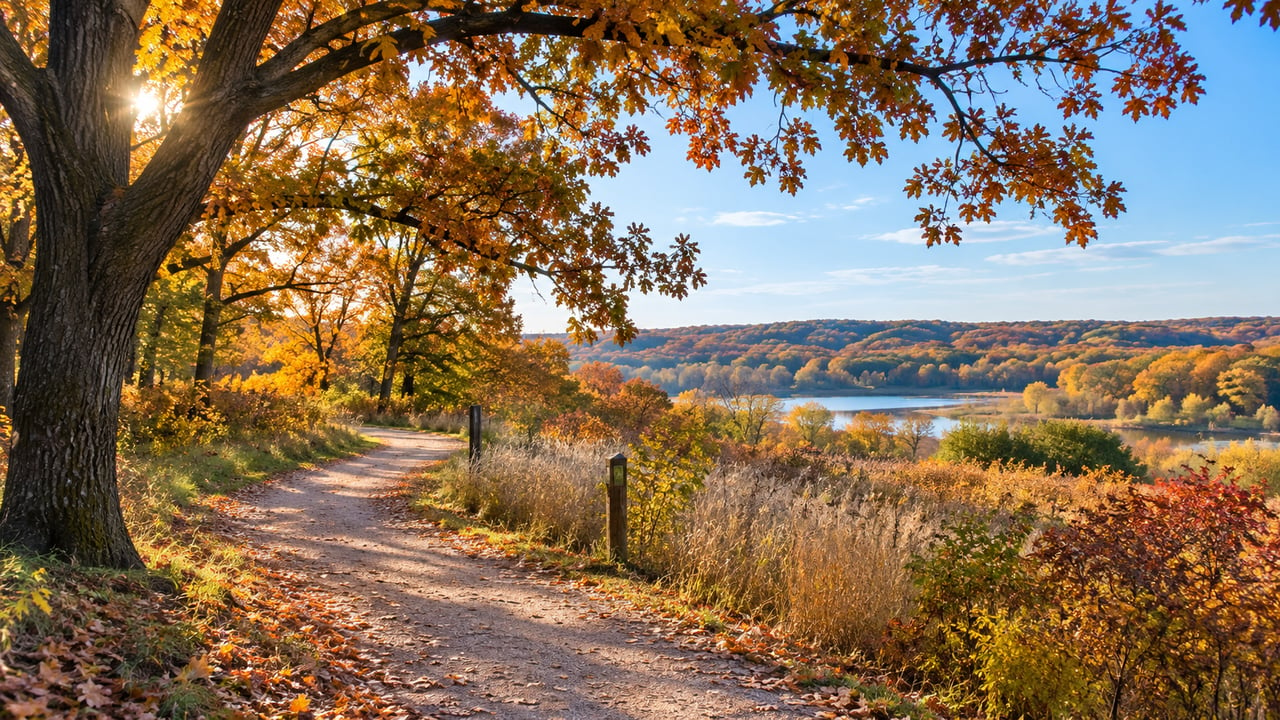
The west section of Lebanon Hills once included oak savannas and open oak woodlands filled with native wildflowers and grasses. Over time, buckthorn and other unwanted trees have crowded out native vegetation and made it difficult for new oak trees to grow.
The restoration project will remove invasive buckthorn and other unwanted trees around some of the park's 200-plus-year-old bur oaks. Dakota County plans to follow the clearing with native seeds and small plants grown in the county's greenhouse.
The result won't happen overnight.
The county describes the restoration process as "sleep, creep, leap."
Sleep: During the first year, there may not be much visible growth as seeds become established.
Creep: During the second year, more plants begin to appear while their roots continue developing.
Leap: By the third year, more flowers, grasses, and native plants begin filling in the landscape.
Dakota County points to areas around Schulze and Holland lakes as examples of this type of restoration already taking place successfully in the park.
The Trails Are Changing, Too
The natural restoration is only part of the project.
Dakota County's Sustainable Trail Study identified opportunities to make Lebanon Hills' trail system safer, more accessible, and more sustainable. Some trails will be removed or realigned, while others will be redesigned to reduce erosion and improve drainage.
The plan also addresses accessibility by reducing steep slopes, widening trails, and improving trail surfaces on popular routes.
Another goal is to reduce conflicts between different types of trail users. For example, the county identified areas where winter activities such as skate skiing and mountain biking can have poor visibility at intersections. Some of those areas will be redesigned or removed.
What Happens This Winter?
The work is being completed in sections.
In the west section, hand crews have been removing buckthorn with minimal trail impacts from August through November 2026. Beginning in November, crews will move into the more intensive phase of buckthorn and selective tree removal, with periodic trail closures expected through March 2027.
Trail construction in the west section is scheduled to begin in spring 2027, with trail work expected to be complete in winter 2027. Natural-resource restoration is scheduled to continue through December 2029.
Meanwhile, trail construction has begun in the middle section, between Johnny Cake Ridge Road and Pilot Knob Road. Dakota County says visitors may encounter heavy equipment, selectively removed hazard trees, trail changes, and intermittent short-term closures while work is underway.
The eastern section, between Pilot Knob Road and Dodd Road, is planned for a future phase beginning in 2029.
A Different View of Lebanon Hills
For a while, parts of Lebanon Hills may look very different from what visitors are accustomed to seeing.
But the goal is not simply to remove trees or change trails. It is to create a healthier natural landscape, improve the trail experience, reduce erosion, improve accessibility, and make the park more sustainable for years to come.
The project is supported by $2.126 million from Minnesota's Environment and Natural Resources Trust Fund and is expected to continue through 2029.
If you're a longtime Lebanon Hills visitor, this winter may be a good time to see the park with a different perspective. Some of the most dramatic changes will happen before the new landscape has had time to grow in.
And over the next several years, visitors will get to watch that transformation happen.
If you're considering a home in Eagan or the surrounding area, local amenities like parks, trails, schools, and community improvements can all be part of what makes a neighborhood feel like home. I'd be happy to help you explore the area and find a home that fits your lifestyle.
— Anne
Because it's not just about buying or selling a house. It's about making a house a home.